🌙 Introduction
Ramadan in Dubai is one of the most spiritual, vibrant, and culturally rich times of the year in the UAE. Observed by Muslims worldwide, Ramadan is the ninth month of the Islamic calendar and a period of fasting, reflection, generosity, and community. In Dubai, this holy month blends deep-rooted Islamic traditions with the city’s modern hospitality, offering a unique experience for residents and visitors alike.
From the echo of the call to prayer at sunset to beautifully decorated Ramadan tents and charitable initiatives across the city, Ramadan in Dubai reflects unity, faith, and celebration. Whether you are visiting for the first time or have experienced it before, 2026 brings the same warmth, authenticity, and cultural depth that define this sacred month.
This complete guide explores the most powerful traditions and the most loved iftar experiences that make Ramadan in Dubai truly unforgettable.
1️⃣ 🕌 The Spiritual Heartbeat of the City
One of the most remarkable aspects of Ramadan in Dubai is its spiritual atmosphere. Mosques across the city, including Jumeirah Mosque and Al Farooq Omar Bin Al Khattab Mosque, host special Taraweeh prayers after Isha prayer each evening. These prayers are open to the public, and non Muslims can respectfully observe from designated areas in certain mosques.
The rhythm of daily life changes during Ramadan in Dubai. Working hours are officially reduced in line with UAE labor regulations. Schools and government offices operate on shortened schedules, allowing families more time for worship and gatherings.
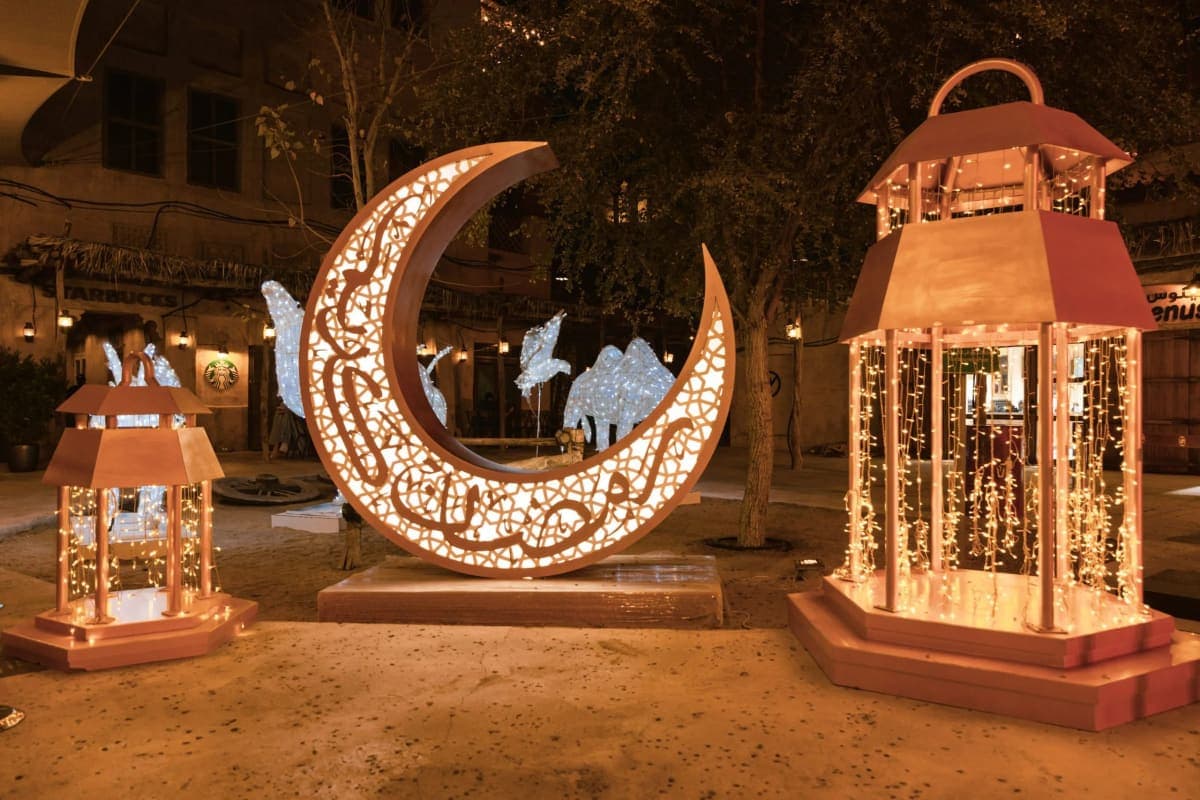
The spiritual environment is not confined to mosques alone. Shopping malls, hotels, and public spaces reflect Ramadan themes through elegant lantern decorations and soft lighting, reinforcing the sacred nature of Ramadan in Dubai.
2️⃣ 🌅 The Meaningful Iftar Moment
Iftar is the meal that breaks the fast at sunset, and it is one of the most cherished moments during Ramadan in Dubai. Traditionally, fasting is broken with dates and water, following the Sunnah of Prophet Muhammad. Restaurants and homes across Dubai follow this tradition before serving a full meal.
Canon fire is another symbolic tradition. In several areas of Dubai, including Expo City and selected heritage districts, cannons are fired at sunset to mark iftar time. This historical practice continues today and attracts families who gather to witness it.
The experience of Ramadan in Dubai becomes especially powerful at sunset when mosques broadcast the Maghrib prayer, and families sit together to break their fast in unity.
3️⃣ 🏕️ Ramadan Tents and Majlis Culture
Ramadan tents are one of the most iconic features of Ramadan in Dubai. Luxury hotels such as Atlantis The Palm, Madinat Jumeirah, and Jumeirah Emirates Towers host elaborate Ramadan tents offering traditional and international cuisine.
These tents are inspired by the concept of a Majlis, which is a traditional gathering space where people meet for conversation and hospitality. During Ramadan in Dubai, Majlis style settings allow families, friends, and corporate groups to enjoy iftar and suhoor in a warm environment.
Menus typically include Arabic classics such as lentil soup, samosas, hummus, grilled meats, machboos, and a wide selection of desserts including luqaimat and kunafa. Many venues also offer live cooking stations and cultural entertainment that aligns with the spirit of Ramadan.
4️⃣ 🤝 Charity and Community Giving
Charity is a fundamental pillar of Ramadan. During Ramadan in Dubai, generosity becomes visible everywhere. Campaigns organized by Dubai Islamic Affairs, Emirates Red Crescent, and other recognized organizations distribute meals and essential supplies to workers and families in need.
Iftar distribution tents are set up in various neighborhoods where volunteers provide free meals to fasting individuals. Many residents also donate through official platforms to support humanitarian projects locally and internationally.
The culture of giving defines Ramadan in Dubai. Corporations, schools, and community groups organize donation drives, reinforcing social responsibility and compassion.
5️⃣ 🛍️ Ramadan Nights and Shopping Experiences
Dubai’s retail sector embraces the season with Ramadan themed promotions and extended evening hours. Malls such as The Dubai Mall and Mall of the Emirates remain active late into the night, especially after iftar.
Ramadan markets also appear in heritage areas such as Al Seef and Global Village, where visitors can shop for traditional clothing, lanterns, perfumes, and handmade crafts. These markets celebrate the cultural richness of Ramadan in Dubai without compromising its spiritual values.
Unlike other festive seasons, Ramadan promotions in Dubai focus on family gatherings, modest fashion, and home hospitality essentials.
6️⃣ 🍽️ Best Iftars You Will Love
Ramadan in Dubai is known for its diverse and high quality iftar experiences. Here are some types of iftars you can expect in 2026:
Luxury Hotel Iftars Five star hotels host expansive buffets featuring Middle Eastern, Asian, and international cuisine.
Beachfront Iftars Select venues along Jumeirah Beach offer serene sunset views combined with traditional menus.
Heritage Style Iftars Al Fahidi Historical Neighborhood and Sheikh Mohammed Centre for Cultural Understanding provide authentic Emirati meals with cultural explanations.
Family Friendly Iftars Many restaurants design special Ramadan menus suitable for families with children.
What makes Ramadan in Dubai exceptional is the balance between authenticity and hospitality. The city ensures that traditional values remain central while welcoming people of all backgrounds.
7️⃣ 🌙 Suhoor Gatherings and Late Night Culture
Suhoor is the pre dawn meal before fasting begins. During Ramadan in Dubai, suhoor often becomes a social occasion that extends late into the night. Cafes and hotel lounges remain open, offering light meals such as eggs, bread, fruits, yogurt, and Arabic sweets.
Unlike iftar, suhoor is generally more relaxed. Friends gather to enjoy conversation in Majlis style seating while traditional Arabic music plays softly in the background.
The calm atmosphere after midnight highlights another dimension of Ramadan in Dubai, where the city slows down yet remains lively in a respectful manner.
8️⃣ 🕌 Cultural Etiquette and Visitor Guidelines
Visitors are welcome to experience Ramadan in Dubai, but it is important to respect local customs. Eating and drinking in public during fasting hours is restricted in public spaces. Most restaurants remain open indoors for non fasting individuals.
Modest clothing is encouraged, especially when visiting mosques or cultural sites. Public behavior should reflect the respectful tone of the holy month.
Dubai authorities clearly communicate guidelines each year to ensure that Ramadan in Dubai remains inclusive, respectful, and harmonious for everyone.
Conclusion
Ramadan in Dubai is far more than a religious observance. It is a powerful expression of faith, culture, generosity, and unity. From the peaceful call to prayer at sunset to the vibrant Ramadan tents and meaningful charity initiatives, every aspect of Ramadan in Dubai reflects deep tradition combined with modern hospitality.
Whether you come for spiritual reflection, cultural exploration, or memorable iftar experiences, Ramadan in Dubai offers something truly special. The city transforms into a place of warmth and togetherness, where residents and visitors share meals, values, and moments of gratitude.
Experiencing Ramadan in Dubai allows you to witness the harmony between tradition and innovation. It is a time when faith guides daily life, generosity strengthens communities, and unforgettable memories are created under the soft glow of lanterns across the city.
If you plan to visit in 2026, prepare to embrace one of the most meaningful and beautiful seasons the UAE has to offer. Ramadan in Dubai will leave you inspired, connected, and enriched long after the holy month ends.
Also Read: Discover the Best Ice Cream in Dubai: Ultimate Dessert Guide
Image Credits: The featured image has been taken from Magzoid Magazine